Metro Manila Travel Guide 2026: The Vibrant Heart of the Philippines
“Beyond the traffic and towers lies a city full of culture, flavor, and unforgettable energy.”
Metro Manila, officially known as the National Capital Region (NCR), is the political, economic, and cultural center of the Philippines. As the gateway to the country, Metro Manila is a dynamic urban destination that blends history, modern skyscrapers, world-class shopping malls, vibrant nightlife, and diverse culinary experiences. While many travelers pass through Manila on their way to island destinations like Boracay or Palawan, the capital region itself offers plenty of attractions worth exploring.
One of the most historic areas in Metro Manila is Intramuros, the centuries-old walled city built during Spanish colonization. Walking through Intramuros feels like stepping back in time, with cobblestone streets, preserved colonial architecture, and iconic landmarks such as Fort Santiago and San Agustin Church, a UNESCO World Heritage Site. This area is perfect for history lovers who want to understand the Philippines’ colonial past and cultural heritage.
For modern city experiences, Makati stands out as the country’s premier financial district. Makati is known for its luxury hotels, rooftop bars, upscale shopping centers like Greenbelt, and vibrant nightlife scene. Nearby, Bonifacio Global City (BGC) in Taguig offers a clean, walkable environment filled with art installations, international restaurants, lifestyle malls, and trendy cafes. BGC is especially popular among young professionals, digital nomads, and tourists seeking a modern urban vibe.
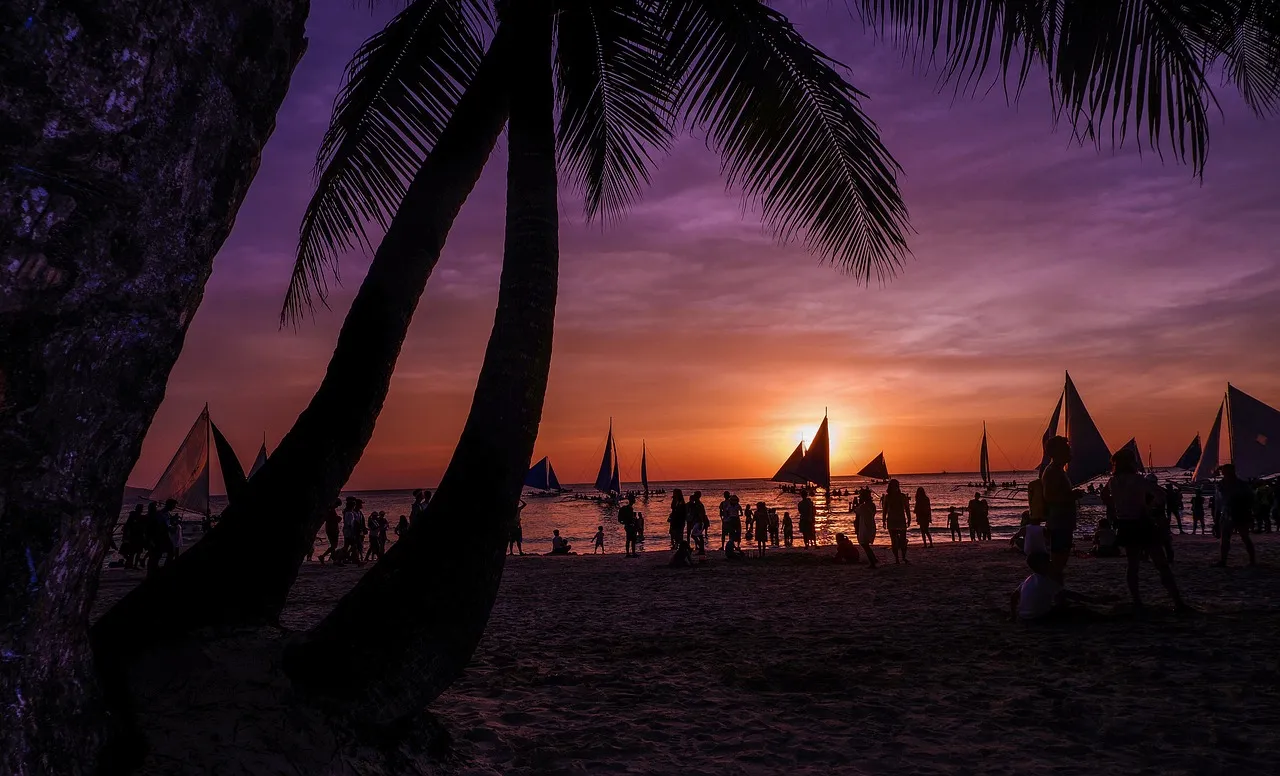
Shopping is one of the top activities in Metro Manila. The region is home to some of the largest malls in the world, including SM Mall of Asia, which features seaside views, entertainment complexes, and hundreds of international and local brands. Visitors can also enjoy cultural performances, ice skating, and sunset views along Manila Bay. Speaking of sunsets, Manila Bay is famous for its dramatic golden-orange skies, offering one of the most photographed sunset views in the country.
Food is another reason why Metro Manila attracts visitors. The city is a melting pot of Filipino regional cuisine and international flavors. From traditional dishes like adobo, sinigang, and lechon to modern fusion restaurants and street food markets, Manila offers endless dining options. Night markets and food parks across Quezon City, Makati, and Pasig allow travelers to experience authentic local flavors at affordable prices. Culinary tours and local food experiences are increasingly popular among tourists who want to explore Filipino culture through its cuisine.
Culture and entertainment also thrive in Metro Manila. The Cultural Center of the Philippines complex hosts concerts, ballet performances, and art exhibitions. Museums such as the National Museum Complex in Manila showcase Filipino art, history, and anthropology. For family-friendly activities, theme parks, ocean parks, and interactive museums provide engaging attractions for all ages.
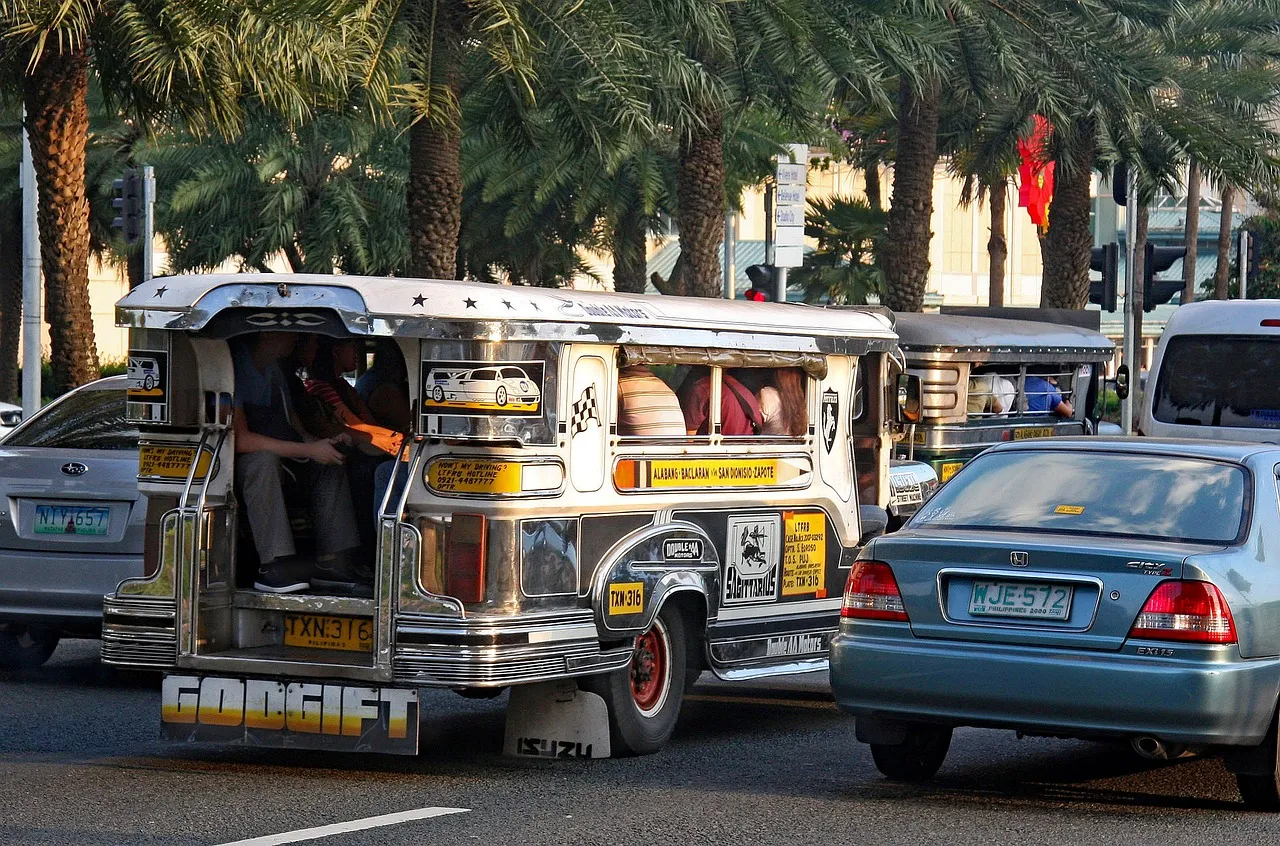
The best time to visit Metro Manila is during the dry season from November to May, when the weather is generally sunny and ideal for sightseeing. December to February offers cooler temperatures, making it more comfortable for walking tours in areas like Intramuros and Binondo, the world’s oldest Chinatown. While traffic can be heavy during peak hours, modern transport options such as ride-hailing services and updated airport facilities make navigating the city more convenient for travelers.
Accommodation in Metro Manila ranges from luxury five-star hotels in Makati and BGC to budget-friendly hostels and serviced apartments across Quezon City, Pasay, and Manila. Many visitors choose to stay near Ninoy Aquino International Airport for convenience, while others prefer central business districts for easy access to dining, shopping, and nightlife.
Metro Manila may not have white sand beaches, but it offers something equally valuable — a vibrant urban experience filled with culture, history, entertainment, and authentic Filipino hospitality. As the capital region of the Philippines, it serves as the perfect introduction to the country’s diversity. Whether you are exploring Spanish-era landmarks in Intramuros, shopping in massive malls, enjoying sunset views by Manila Bay, or tasting your way through local street food markets, Metro Manila delivers a dynamic and memorable travel experience.
For travelers planning a trip to the Philippines, adding Metro Manila to your itinerary ensures a deeper understanding of Filipino culture beyond the beaches. It is a city of contrasts, where heritage meets modernity, tradition blends with innovation, and every neighborhood tells a different story.

 English
 Spanish